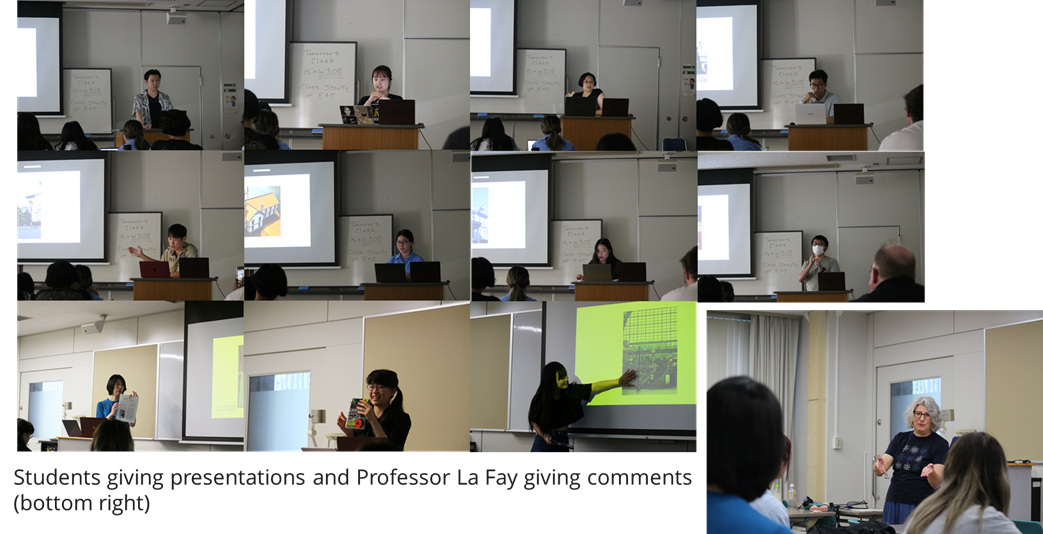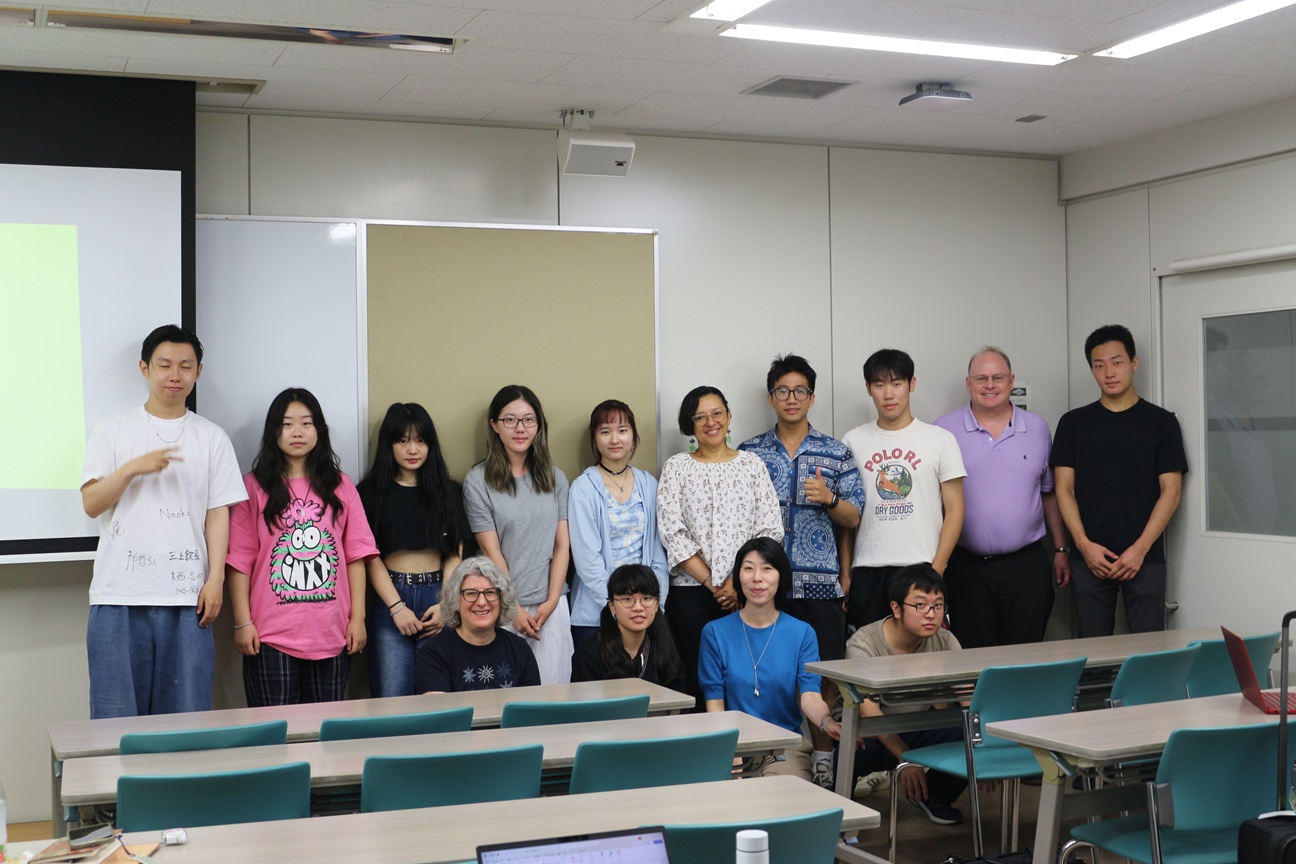



From September 1 to 5, the five-day course “National Heritage Tourism: The Case of Hokkaido 2025” was offered as part of the Hokkaido Summer Institute 2025 program by the School of Humanities and Human Sciences. The course was co-taught by Professor Kenneth Ruoff from Portland State University, USA, and Professor Michelle La Fay, International Exchange Coordinator at the Faculty of Humanities and Human Sciences.
This course aimed to deepen understanding of how historical sites provide historical narratives, including topics such as colonization, modernization, and indigenous peoples, through lectures and field visits to historical sites.
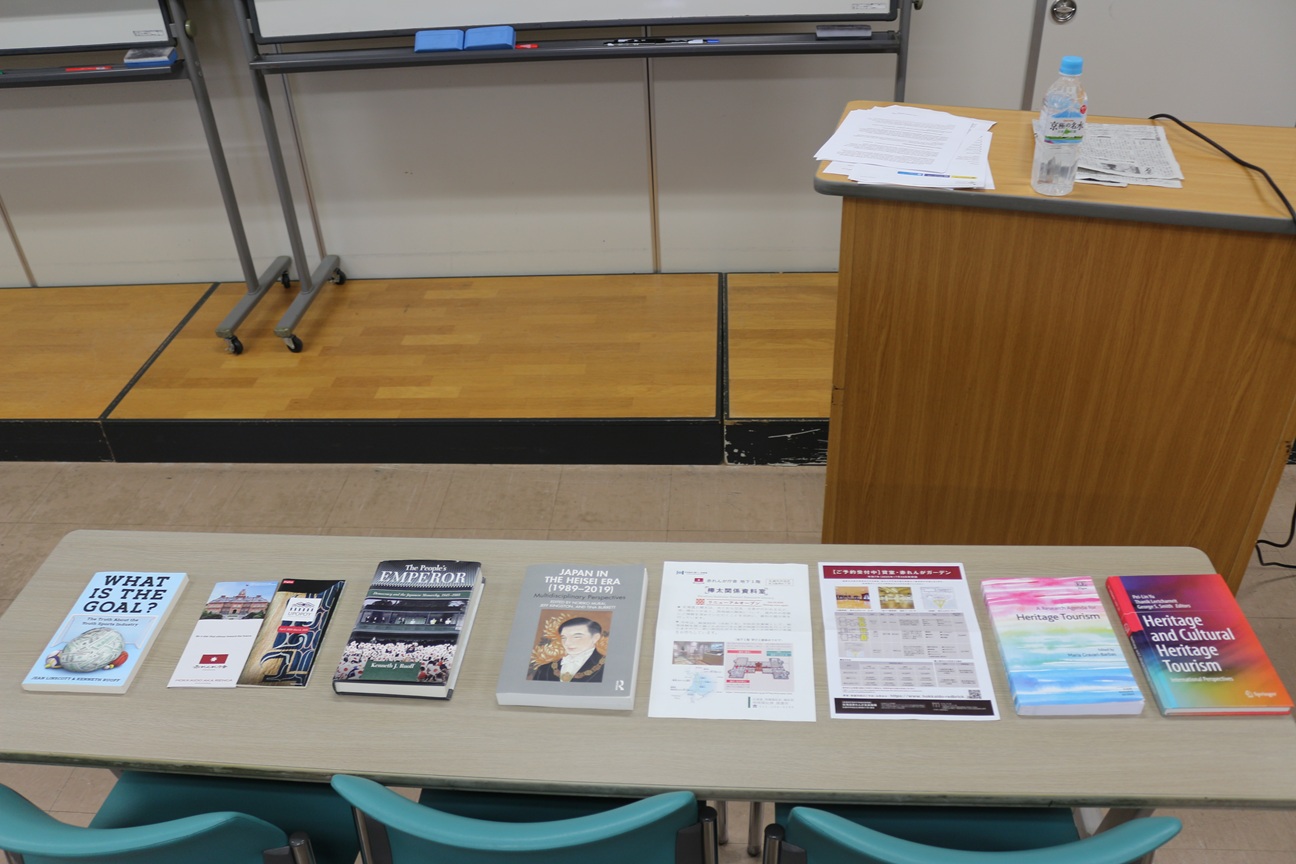
In his lectures, Professor Ruoff introduced historical sites he had visited in Japan and around the world, discussing how to analyze their historical narratives.
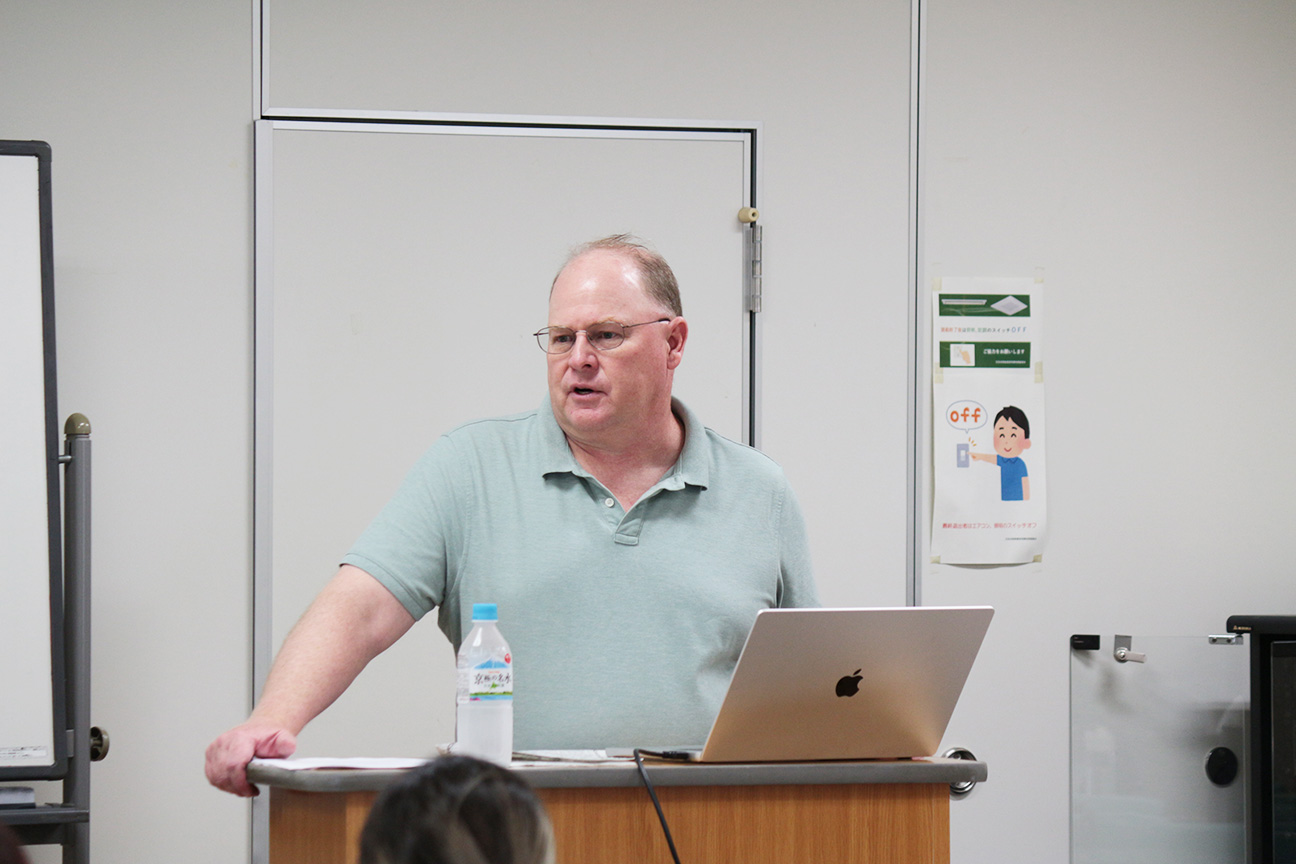
Professor Ruoff highlighted three key points to consider when analyzing historical sites: 1. Who is conveying the message? 2. What story or message is the site attempting to convey? 3. What is omitted from that story? He emphasized that the third perspective is often the most crucial.
Students submitted short reports describing places they visited with family or on school trips from childhood through university entrance, along with their impressions, and then discussed these reports.
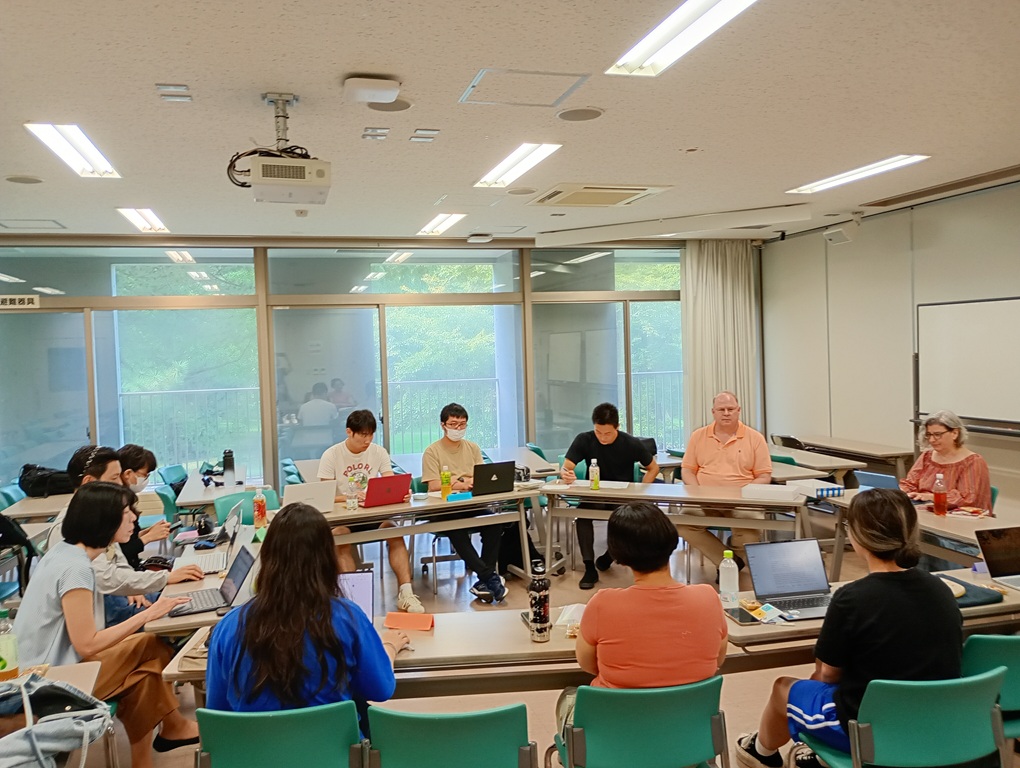
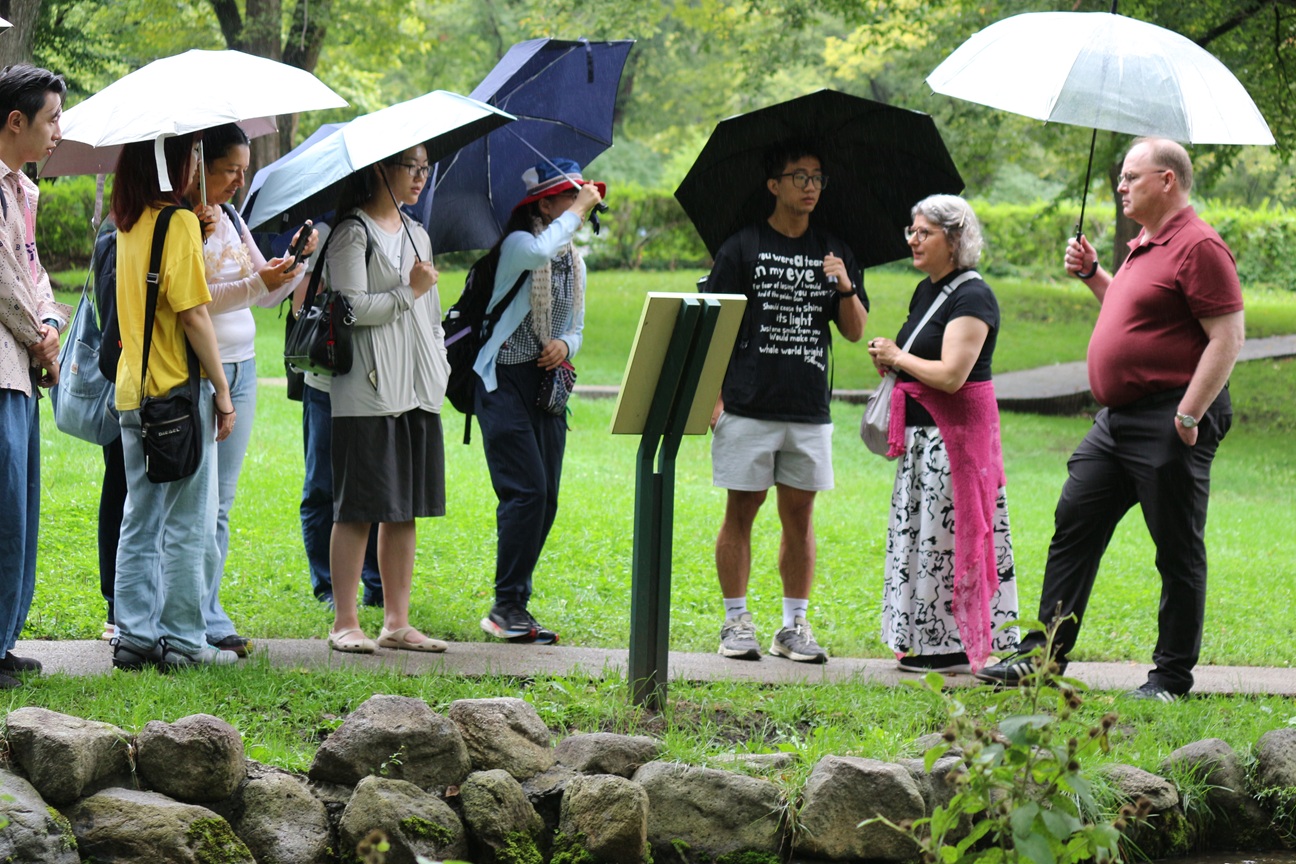
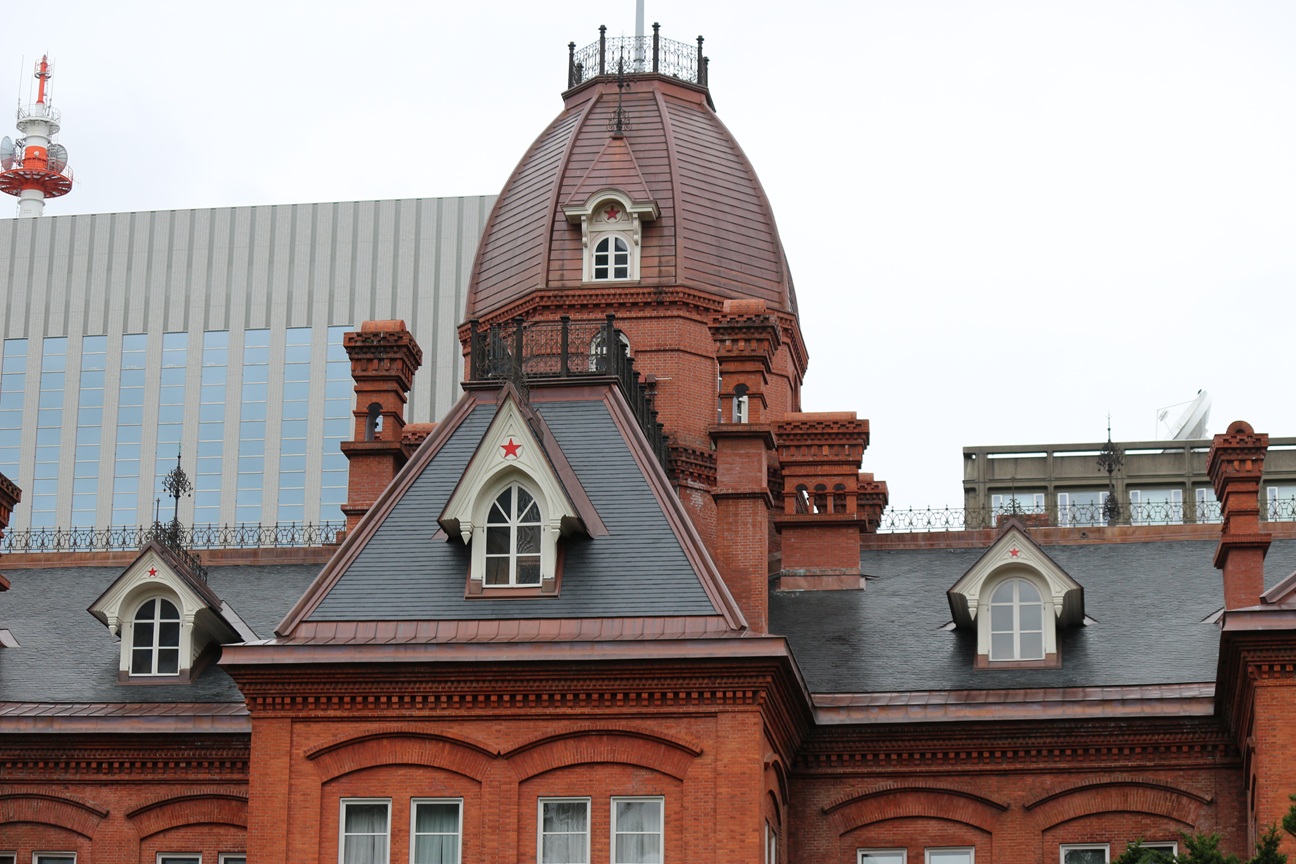
During the course, the group visited the Furukawa Auditorium and the Sakushukotoni River flowing through the Central Lawn on the university campus, as well as the Seikatei (historical wooden building) and the Former Hokkaido Government Office Building (commonly known as the Red Brick Government Building) outside the campus. They explored analytical methods while examining the actual sites.
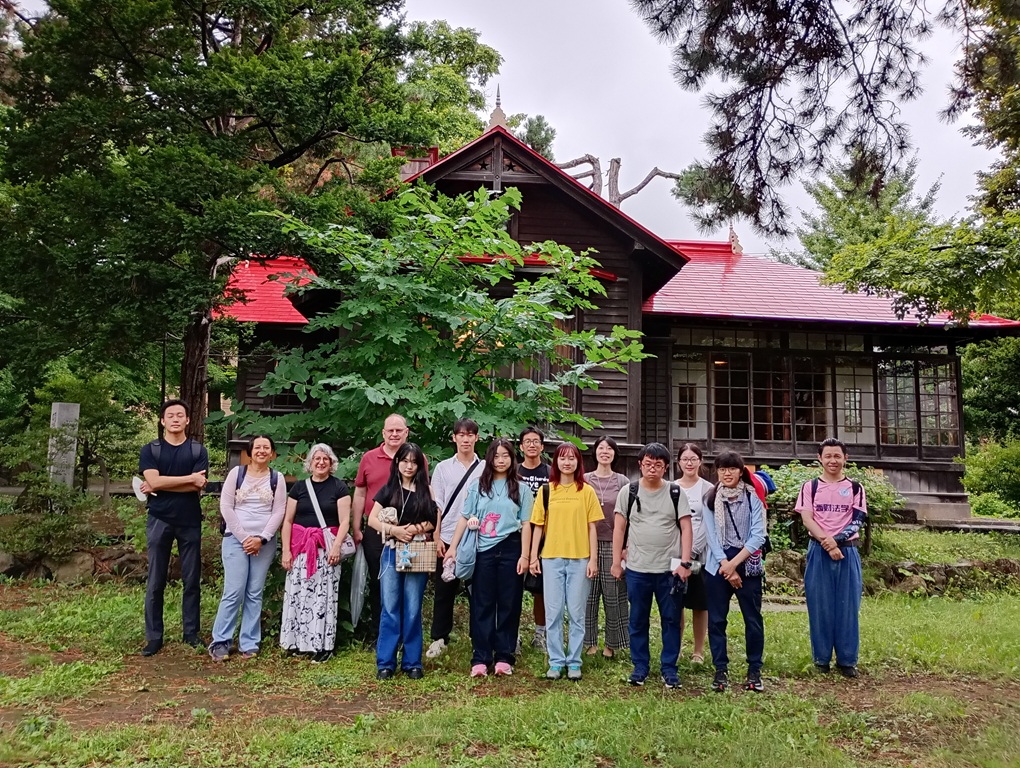
During their free time, students also visited historical sites near Sapporo, including the Hokkaido University Botanical Garden, Hoheikan (historical guest house), and Hokkaido Jingu Shrine. Following these visits, students gave presentations on the historical narratives associated with these places.