


From August 4 to 6, a Hokkaido Summer Institute (HSI) Lecture, “Cognitive Science, Frontiers in Cultural Psychology 2025,” was held.
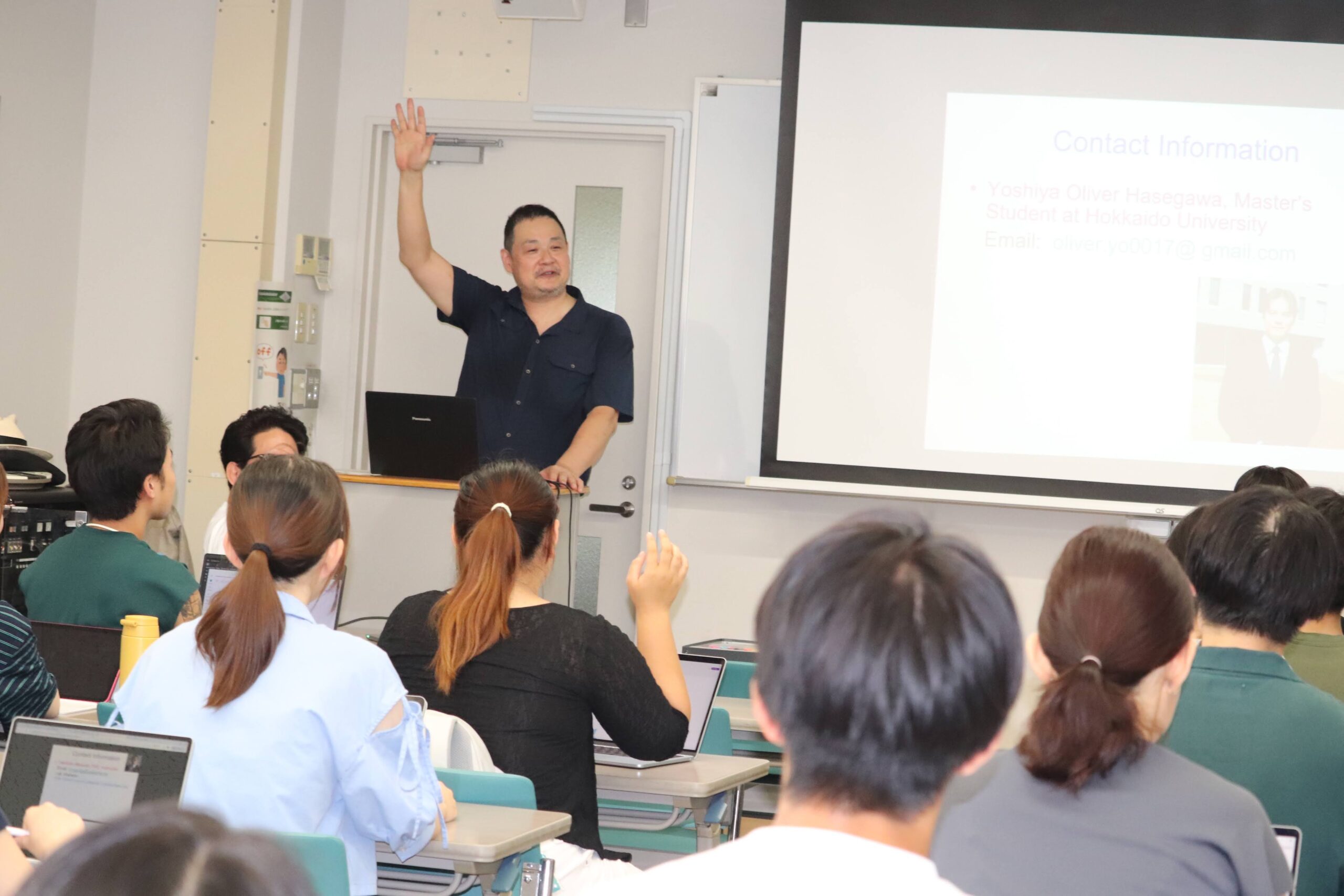
This program, now in its tenth year, is an intensive lecture on the cutting edge of cultural psychology. It features Professor Takahiko Masuda from the University of Alberta, Canada, collaborating with Professor Masaki Yuki from the Behavioral Science Laboratory, Faculty of Humanities and Human Sciences.
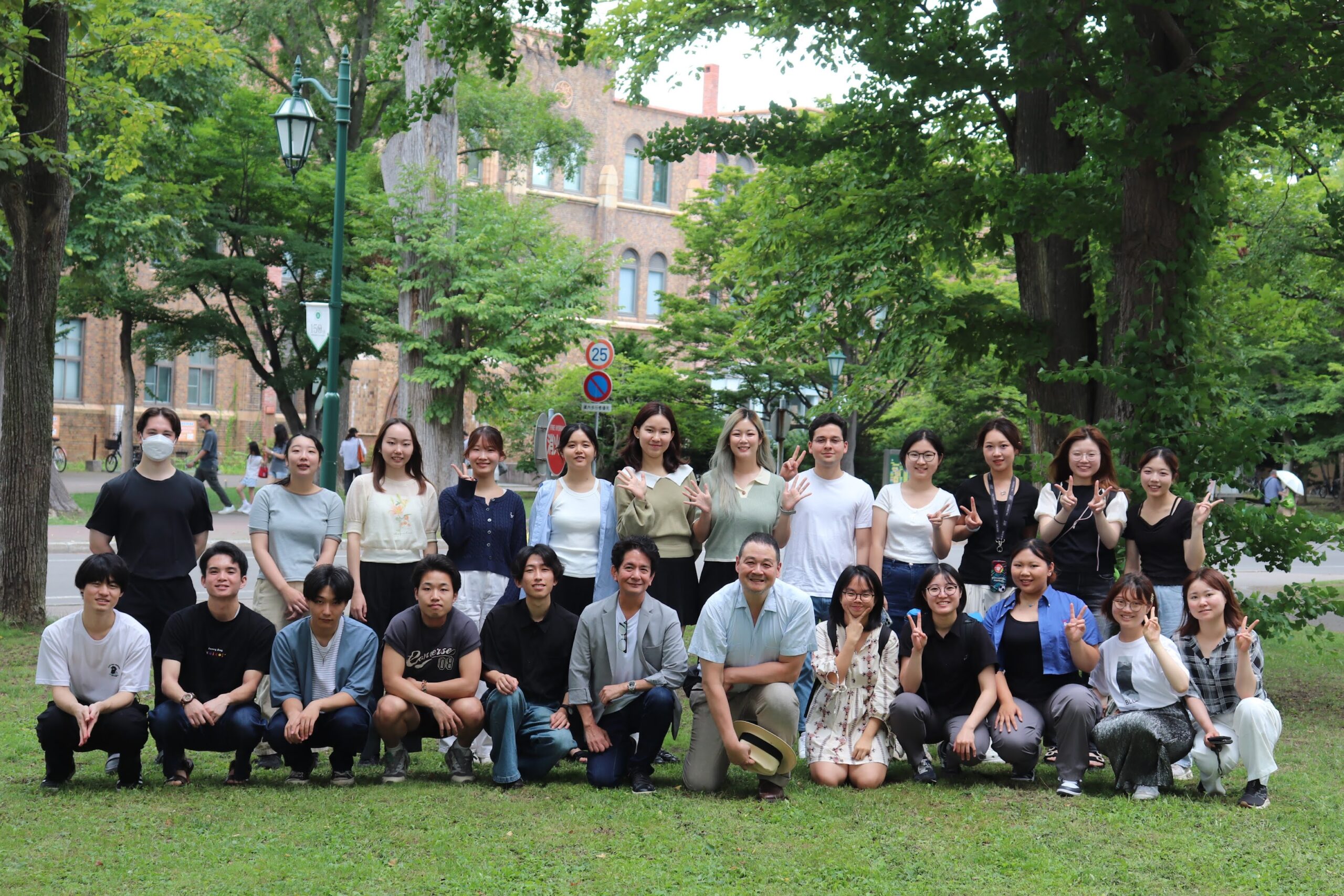
This year’s cohort consisted of 25 students: 22 from Hokkaido University and three from other institutions. The diverse backgrounds of the participants and teaching assistants from China, South Korea, the Philippines, Brazil, and Kazakhstan provided an ideal environment for learning cultural psychology. This course explores the cultural factors and psychological mechanisms underlying differences in behavioral patterns and examines what is required to overcome such differences to foster intercultural understanding and communication. Through the analysis of diverse examples and collaborative learning among students, participants engaged with the latest research and insights in this field.
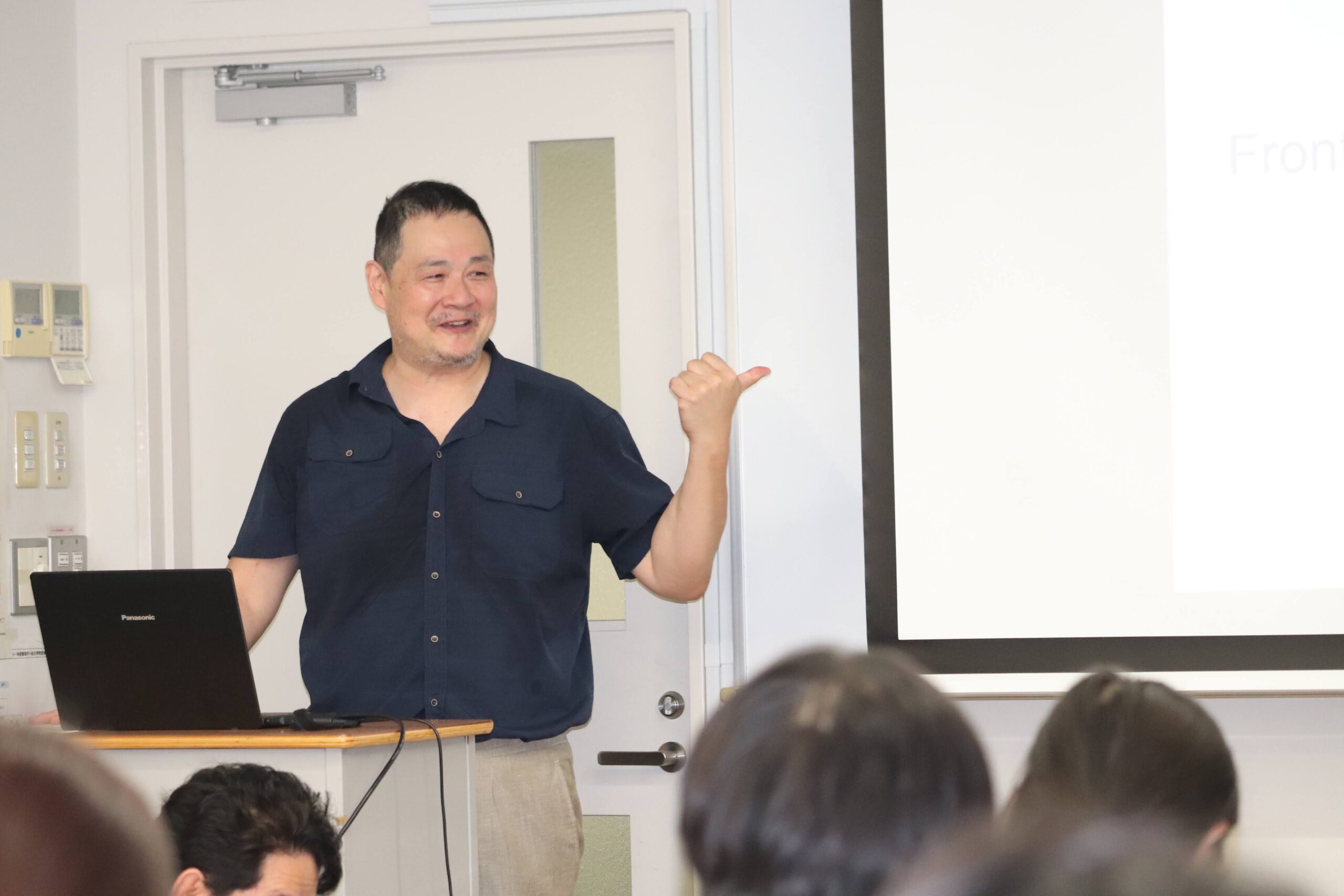
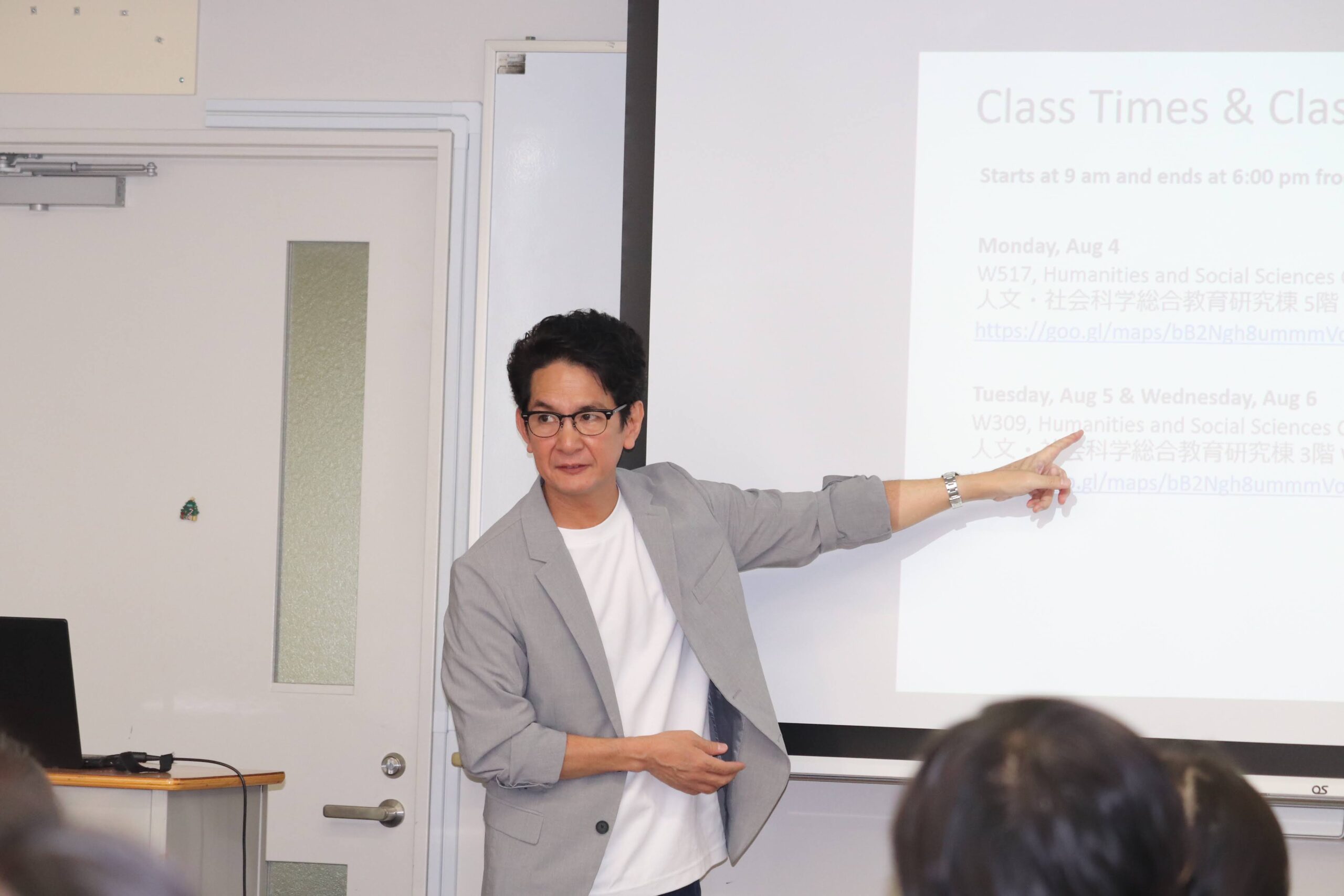
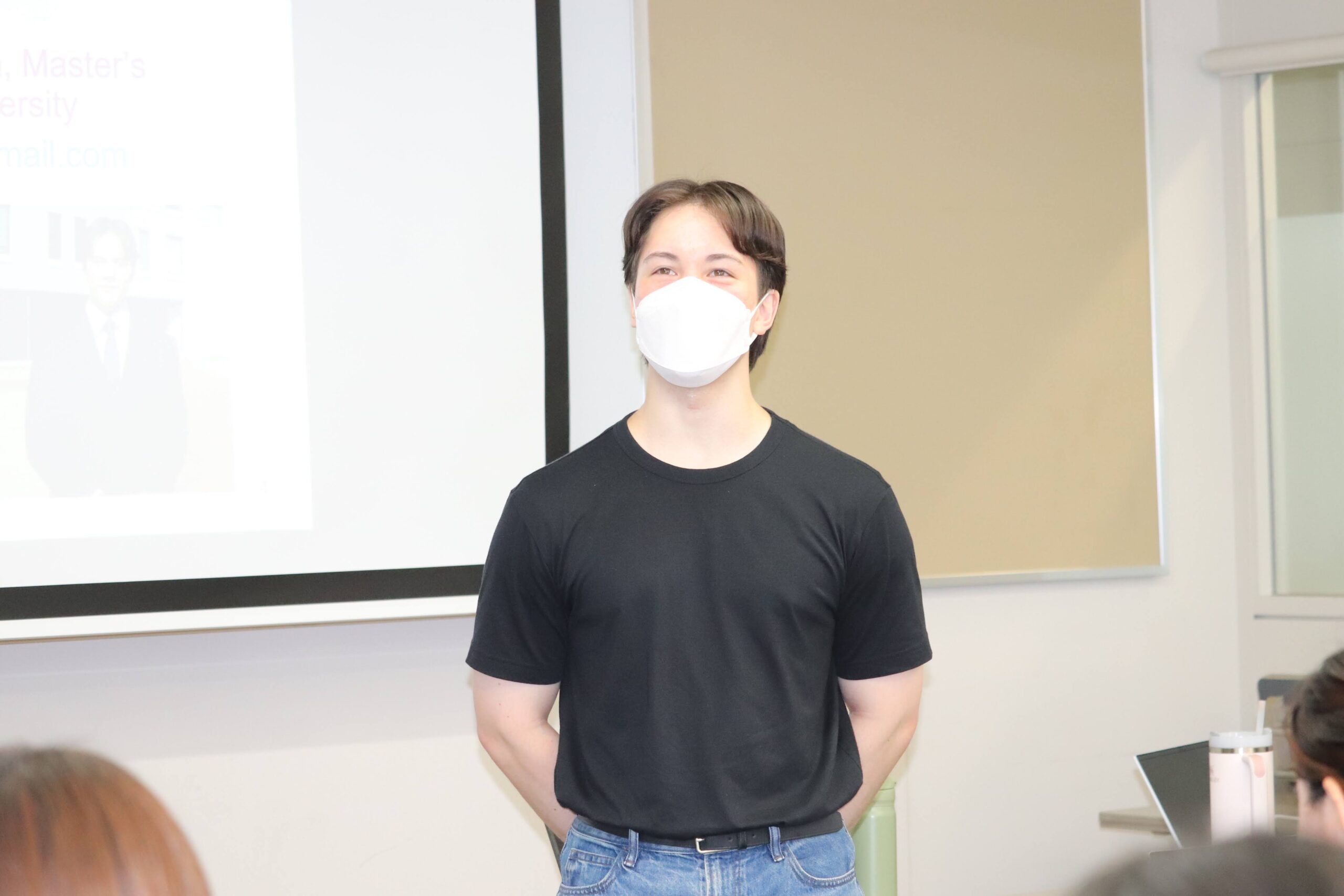
To ensure the class proceeded smoothly, two graduate students—Min Hye Kang from the University of Alberta and Yoshiya Oliver Hasegawa from Hokkaido University—participated as teaching assistants, supporting student discussions and group work.

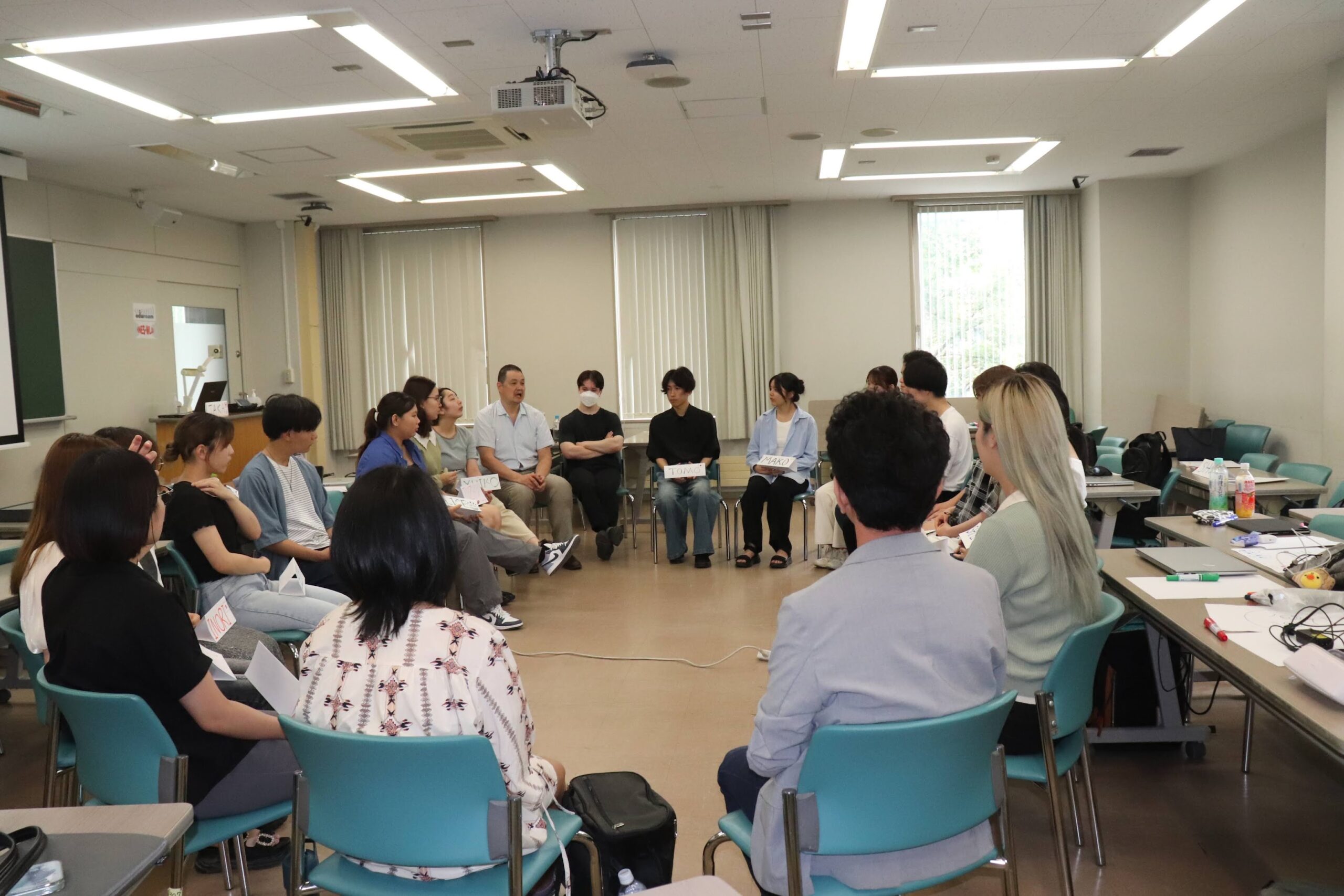
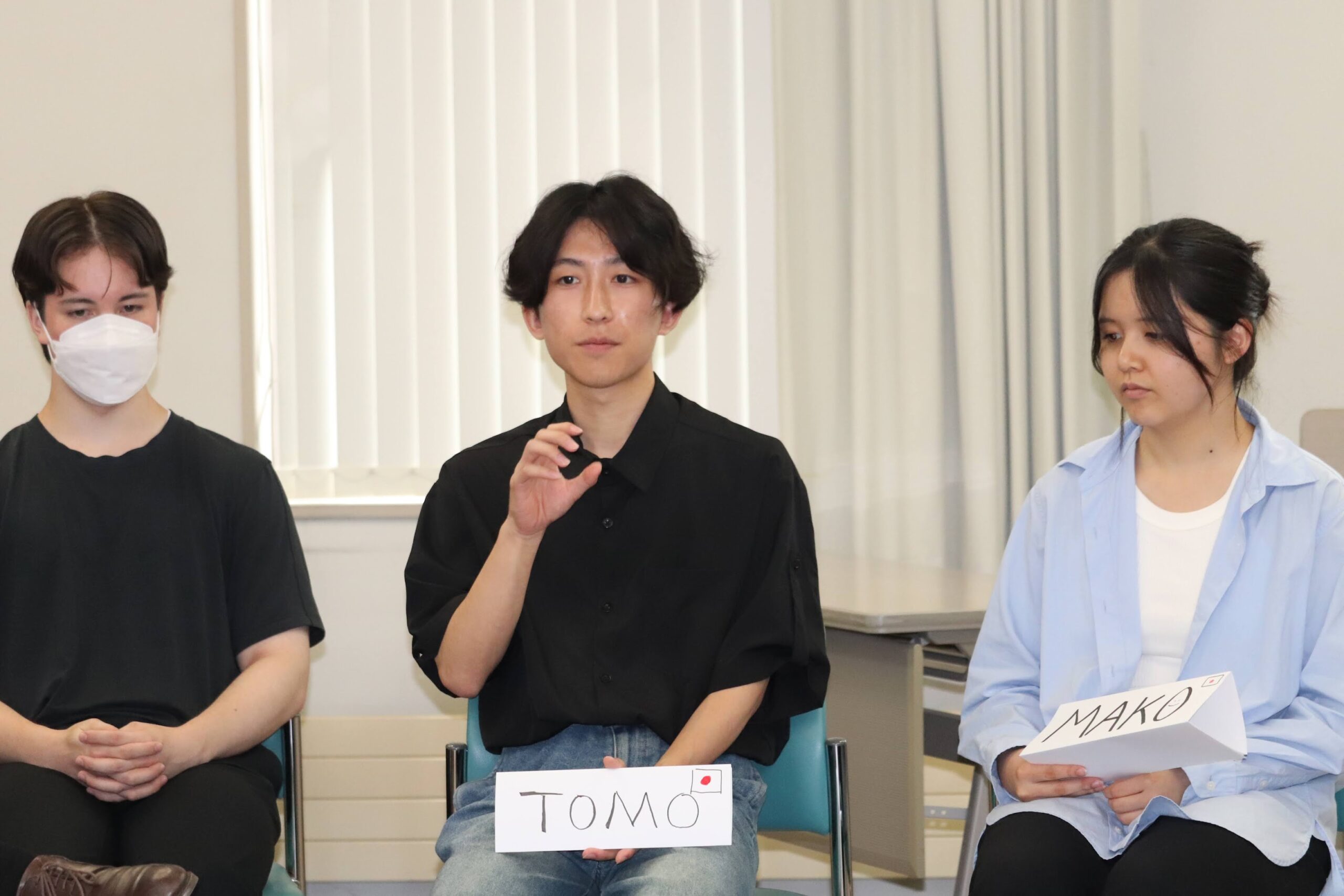
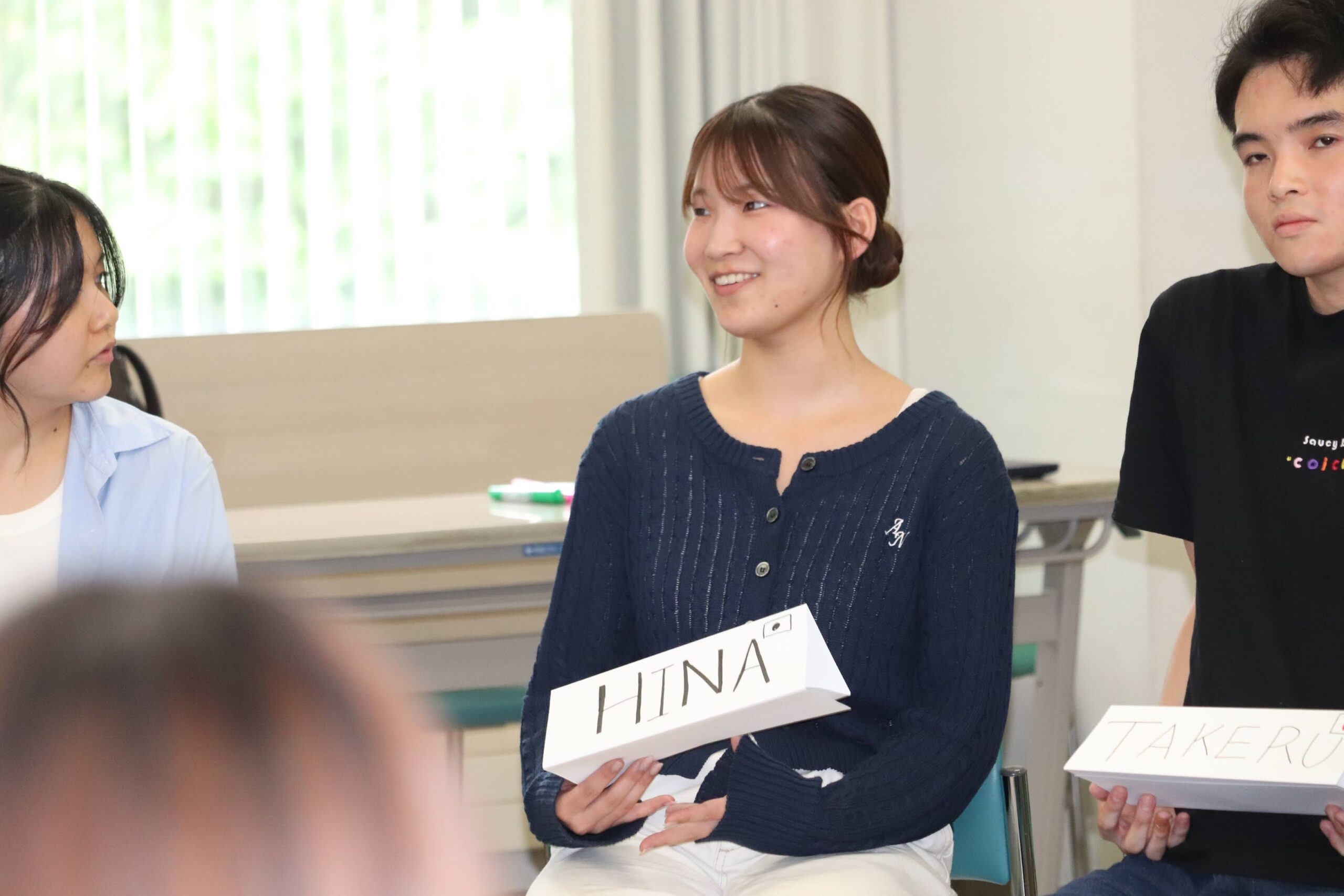
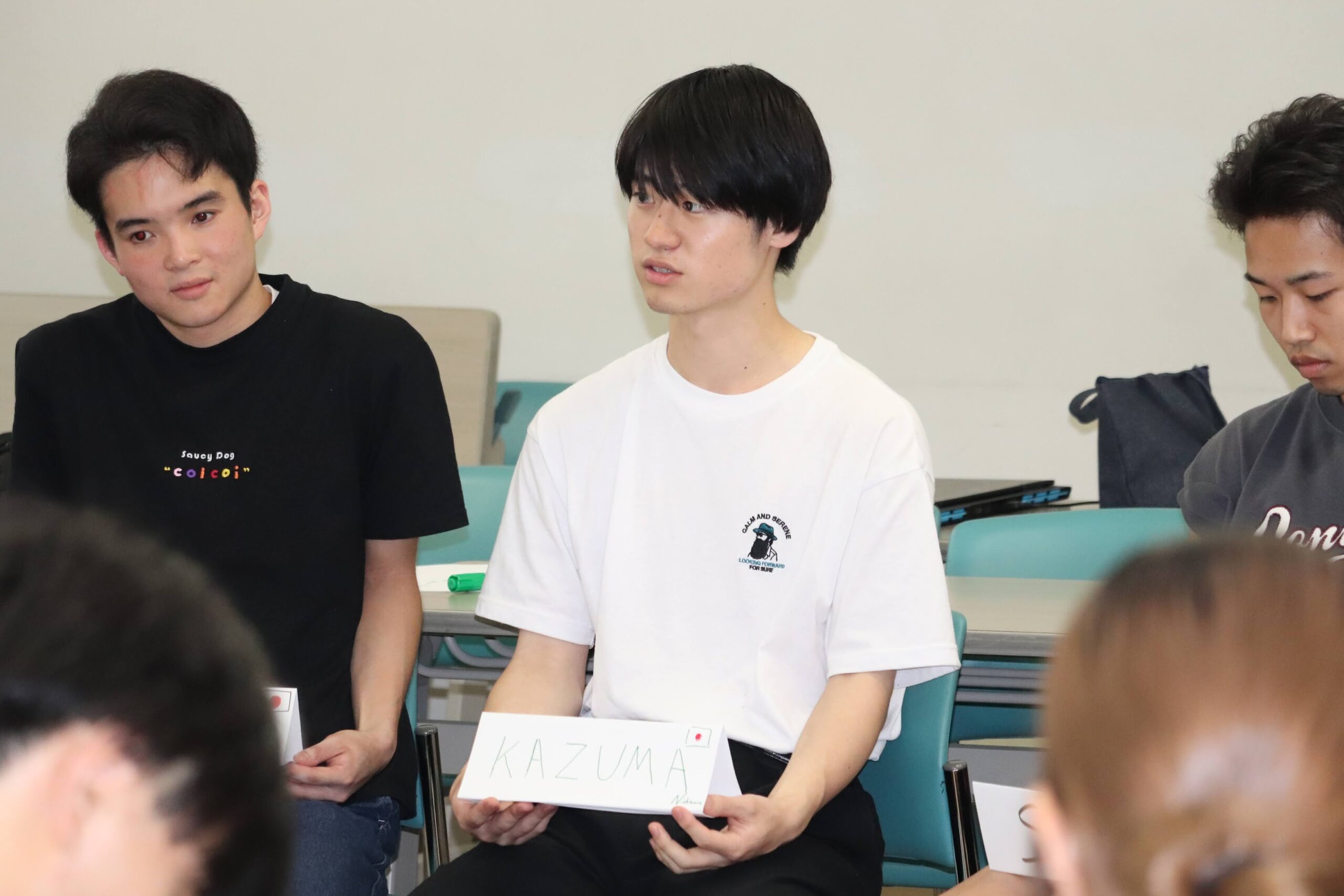
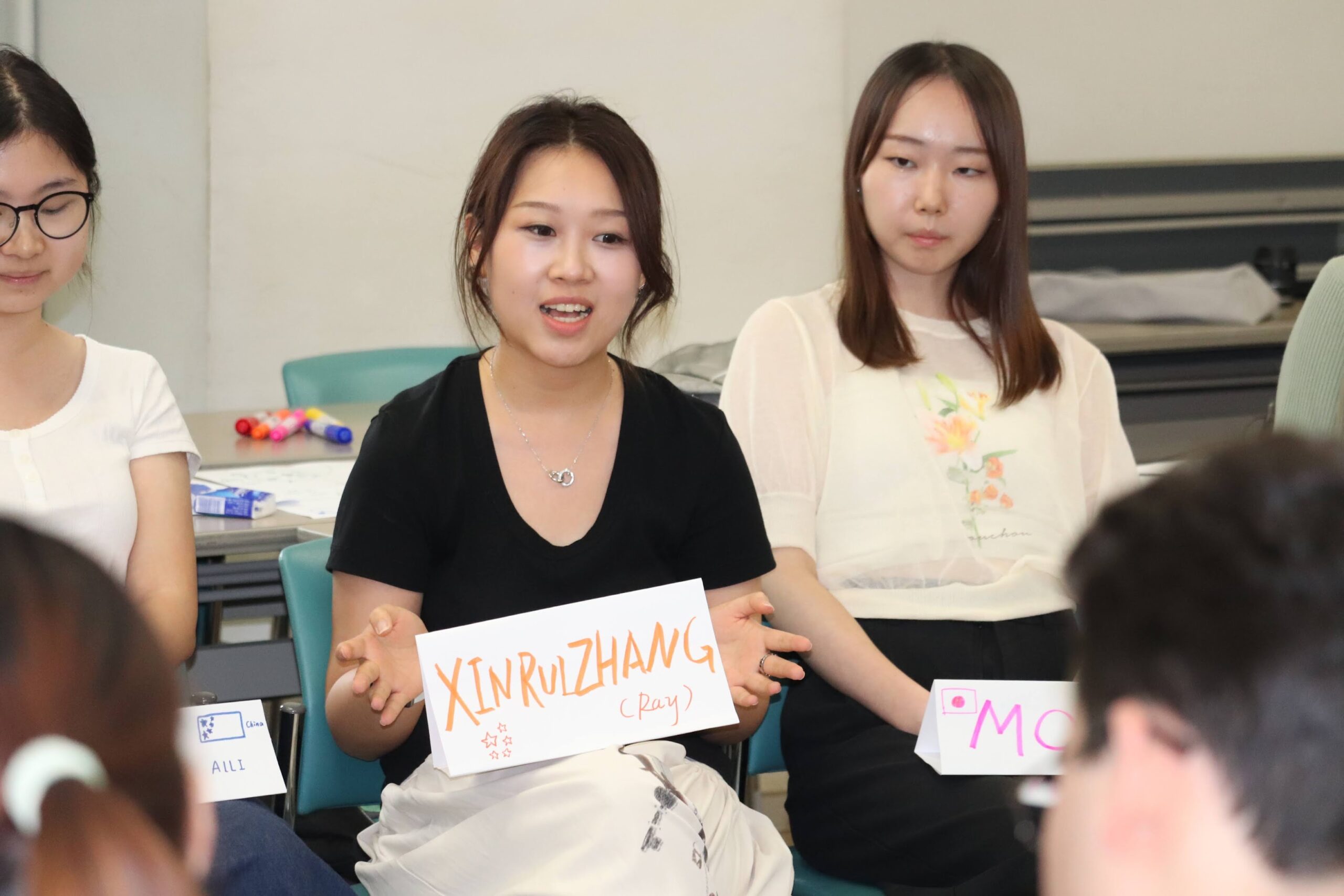
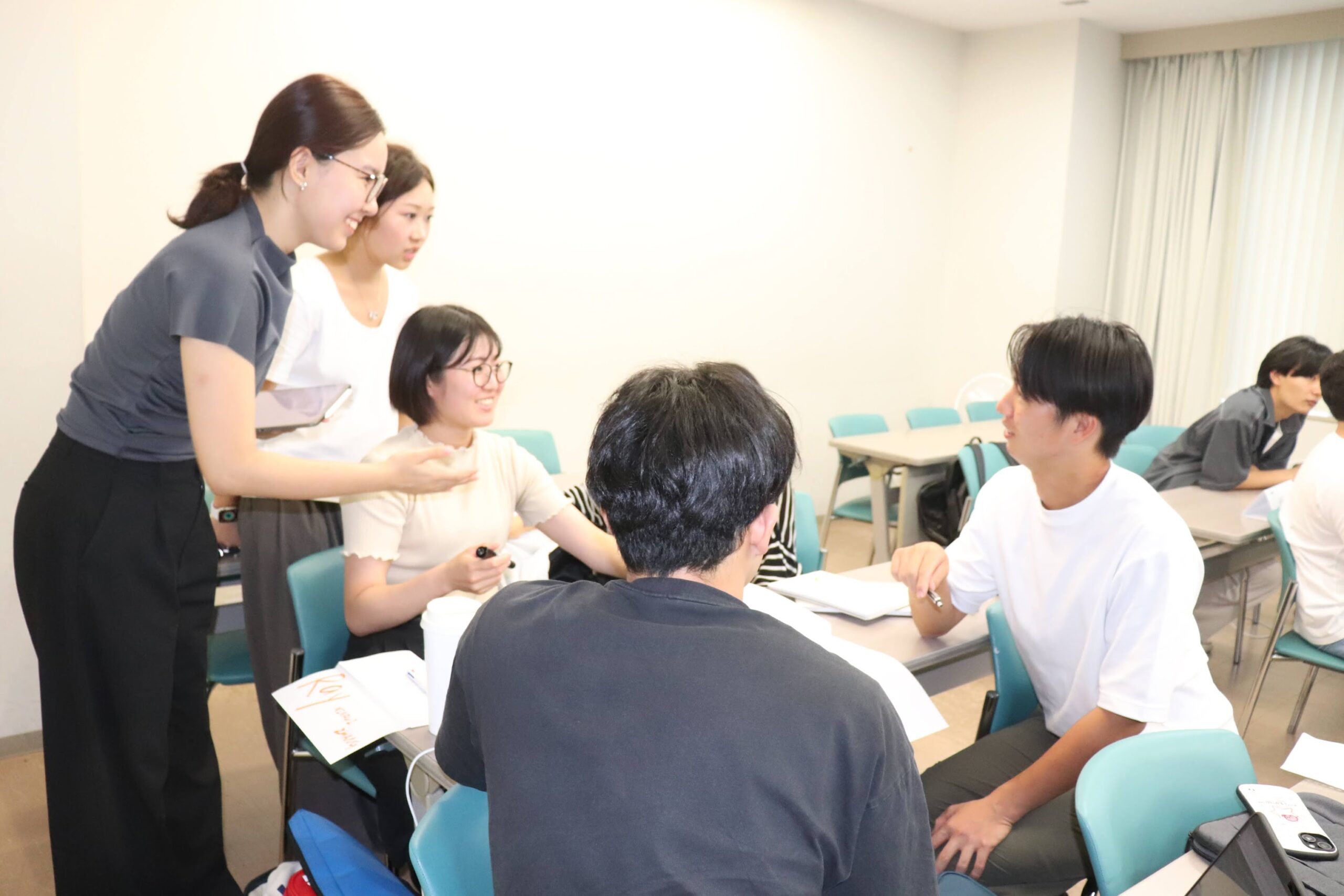
In the classes, students engaged in group discussions for each unit and presented the outcomes. Interactions among students and between students and staff gradually fostered a relaxed atmosphere, making discussions increasingly lively.
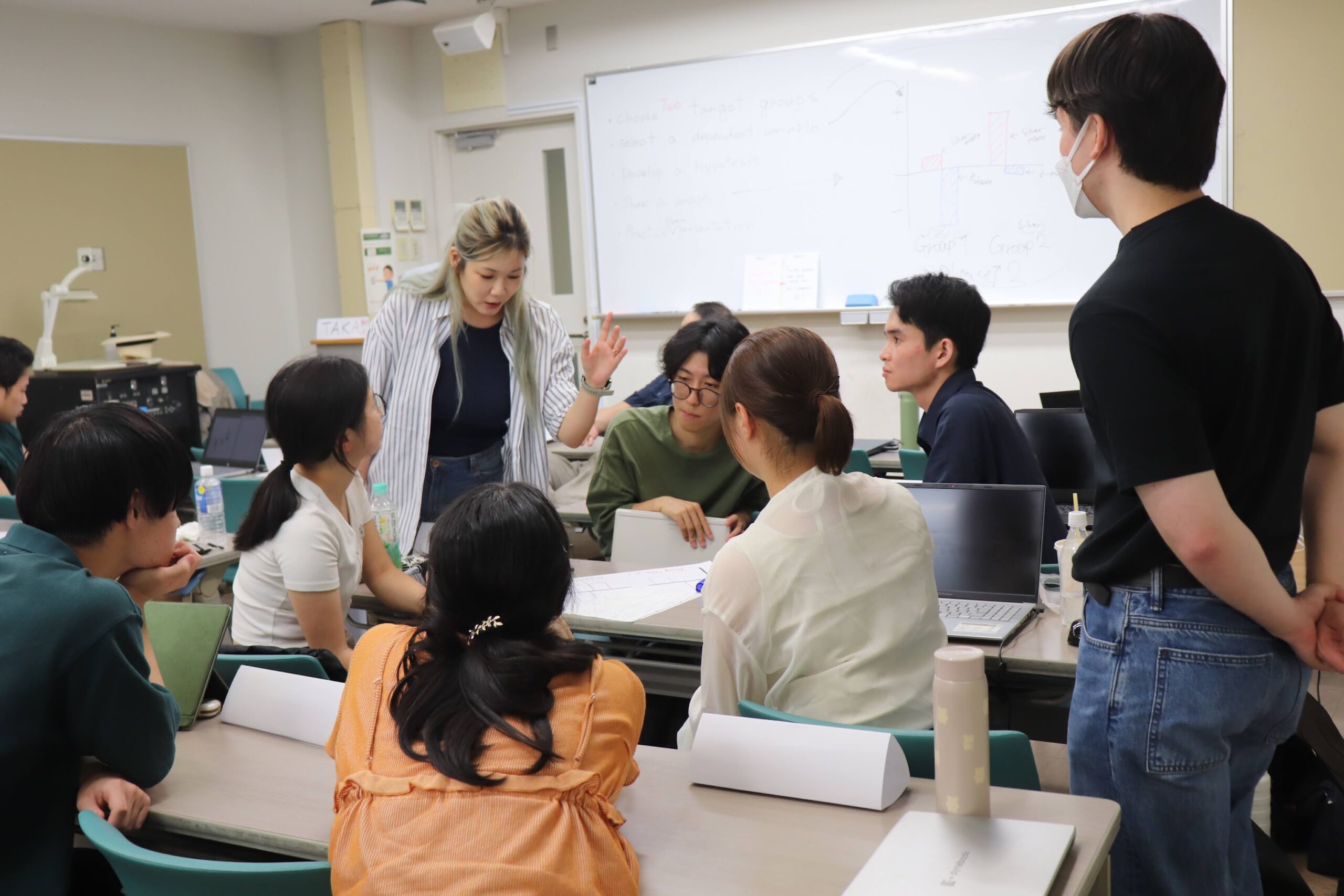
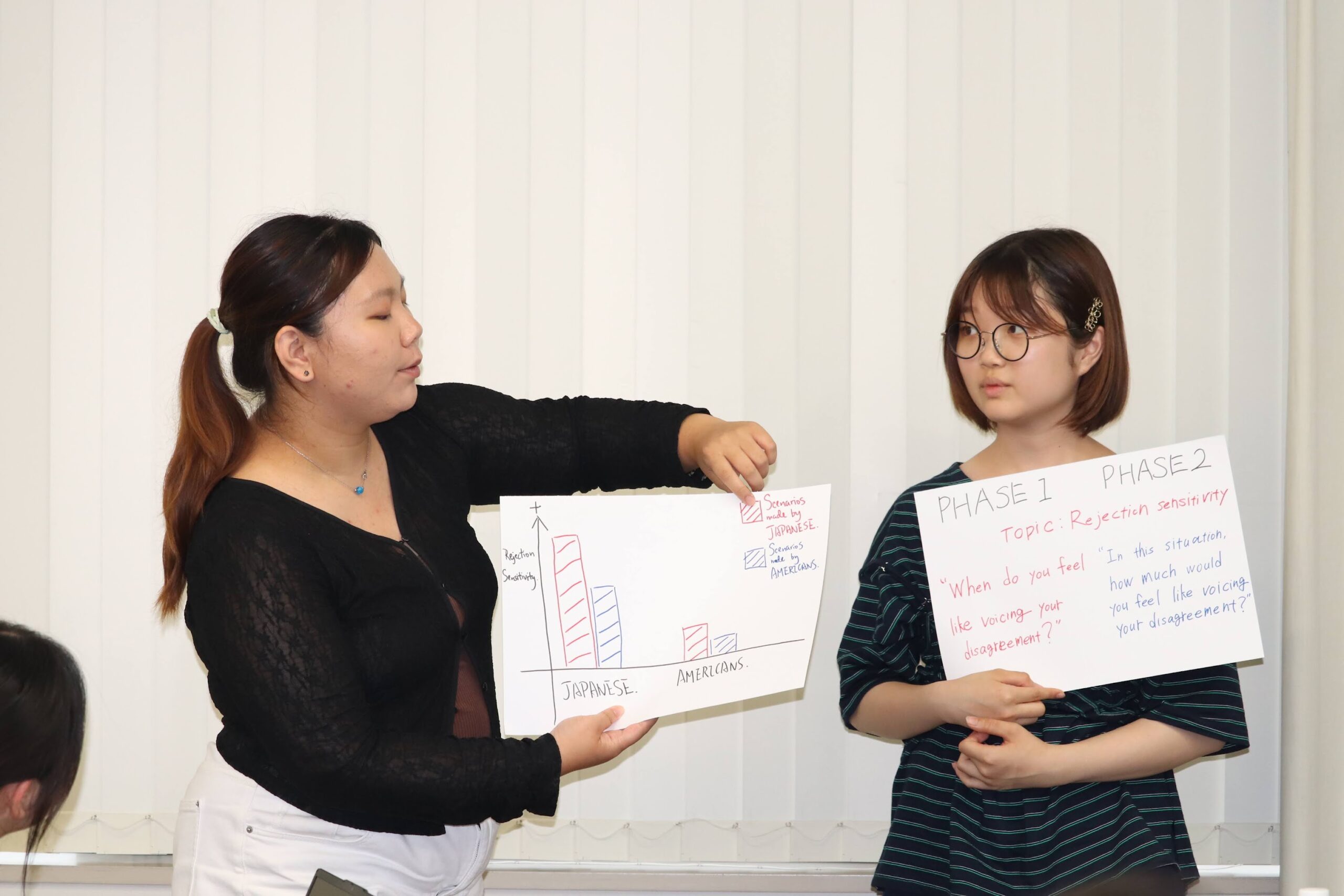
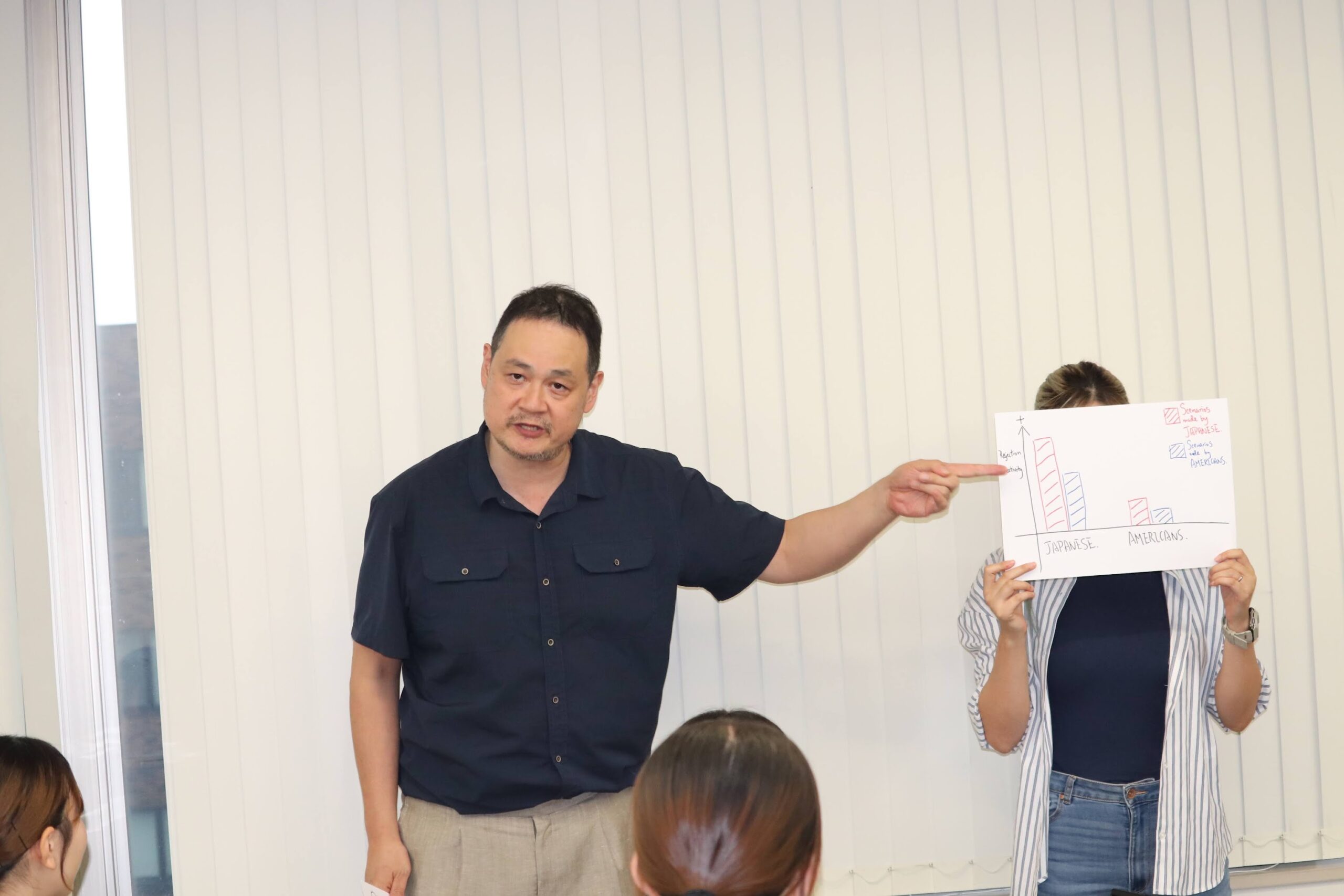
Practical exercises included students forming hypotheses in groups, designing experiments to test them, presenting their plans, and receiving feedback from Professor Masuda, who not only commented on the presentations but also lectured on effective presentation techniques.
On the final day, everyone gathered in a circle to exchange thoughts on the course and share plans for future endeavors. Participants expressed high satisfaction with this unprecedented active learning experience, with many enthusiastically voicing their desire to continue learning.