



Profile
- Research Subject
I am conducting research on prehistoric human societies in the Japanese archipelago, Siberia, and the Russian Far East from the perspective of environmental adaptation, with a particular focus on technological innovation and its spread, as well as human behavioral and social changes, during the period of paleo-environmental change from the end of the Late Pleistocene to the Early Holocene.
- Research Fields
- Archaeogy, Prehistorical archaeology, Geoarchaeology
- Faculty - Division / Research Group / Laboratory
- Division of Humanities / Research Group of History / Laboratory of Archaeology
- Graduate School - Division / Department / Laboratory
- Division of Humanities / Department of History / Laboratory of Archaeology
- School - Course / Laboratory
- Division of Humanities and Human Sciences / Course of History and Anthropology / Laboratory of Archaeology
- Contact
Email: dnatsuki(at)let.hokudai.ac.jp
Replace “(at)” with “@” when sending email.Foreign exchange students who want to be research students (including Japanese residents) should apply for the designated period in accordance with the “Research Student Application Guidelines”. Even if you send an email directly to the staff, there is no reply.- Related Links
Lab.letters

Uncovering prehistoric hunter-gatherer societies
hidden in Hokkaido's unsurveyed areas
When considering the origins of the people of the Japanese archipelago, Hokkaido occupies a crucial position due to its relationship with the continent. Surprisingly, however, due to Hokkaido’s vastness and low population density, there are still many blank regions on the map in terms of archaeological surveying. For archaeologists who continually update established theories through new discoveries, Hokkaido’s blank areas are like treasure maps. I am captivated by the thrill of exploring that blank space.
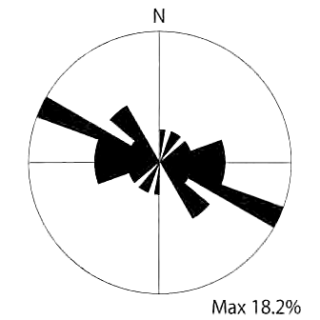
My interest lies in elucidating human behavior among Paleolithic hunter-gatherers. When stone tools are discovered in a cluster, were they intentionally discarded there, or left behind at the place where they were used? I am attempting to envision hunter-gatherer societies from that era through geological and spatial data analysis of archaeological sites.
The creative thinking to approach problems
from multiple angles and arrive at solutions
The subjects of archaeology are truly diverse, encompassing plants and animals, ancient environments, and human societies. Where archaeology researchers truly shine is in the ability to approach their subjects through multiple methods, such as sedimentary ancient DNA analysis and lithic use-wear analysis. The creativity necessary to construct logical frameworks and approach problems from multiple angles is an essential skill required of any working professional. The courage to sometimes let go of your theories and change your perspective is one of the important lessons we can learn from archaeology. Hokkaido University has a long history of researching northern-region archaeology and possesses rare collections, with numerous archaeological sites excavated even from the Sapporo campus. Is there absolutely no room for doubt regarding the established theories? Discoveries unearthed from Hokkaido illuminate the answer.
Message
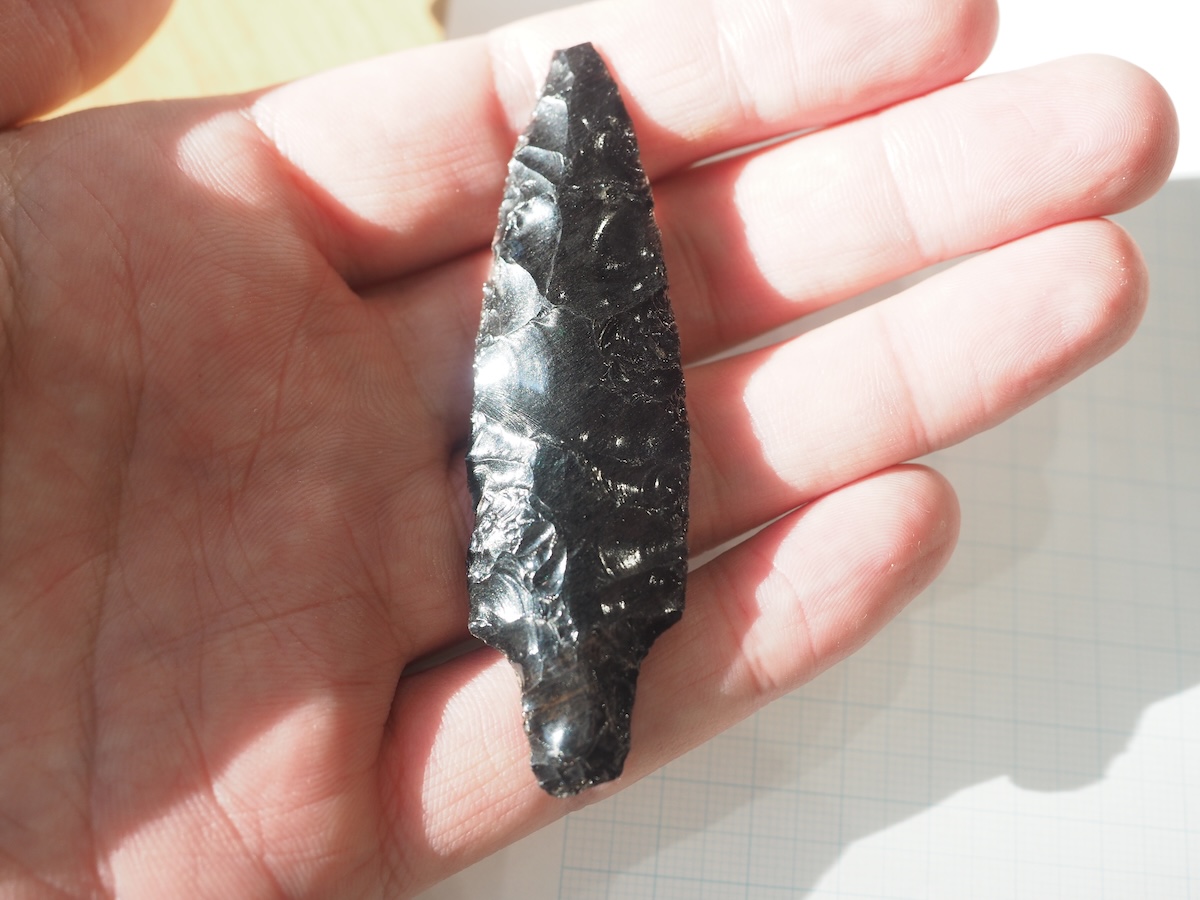
In archaeology, one can research the history of all material evidence related to past human activity, from the beginning of stone tool use approximately 2.6 million years ago to the present day. Archaeology has traditionally focused on research into stone tools, pottery, and metal artifacts. However, the diversification of methodologies and collaborative research with other disciplines have advanced, giving rise to new fields such as zooarchaeology, archaeobotany, ethnoarchaeology, archaeogenetics, and cognitive archaeology. The Laboratory of Archaeology has faculty members with diverse specializations and a well-equipped environment, so we can help you find a theme that interests you and deepen your research. I primarily research artifacts from the Paleolithic to the Jomon and Neolithic periods. I also engage in site research using geoarchaeological methods in order to scientifically understand the stratigraphy, formation processes, and landscapes of archaeological sites.
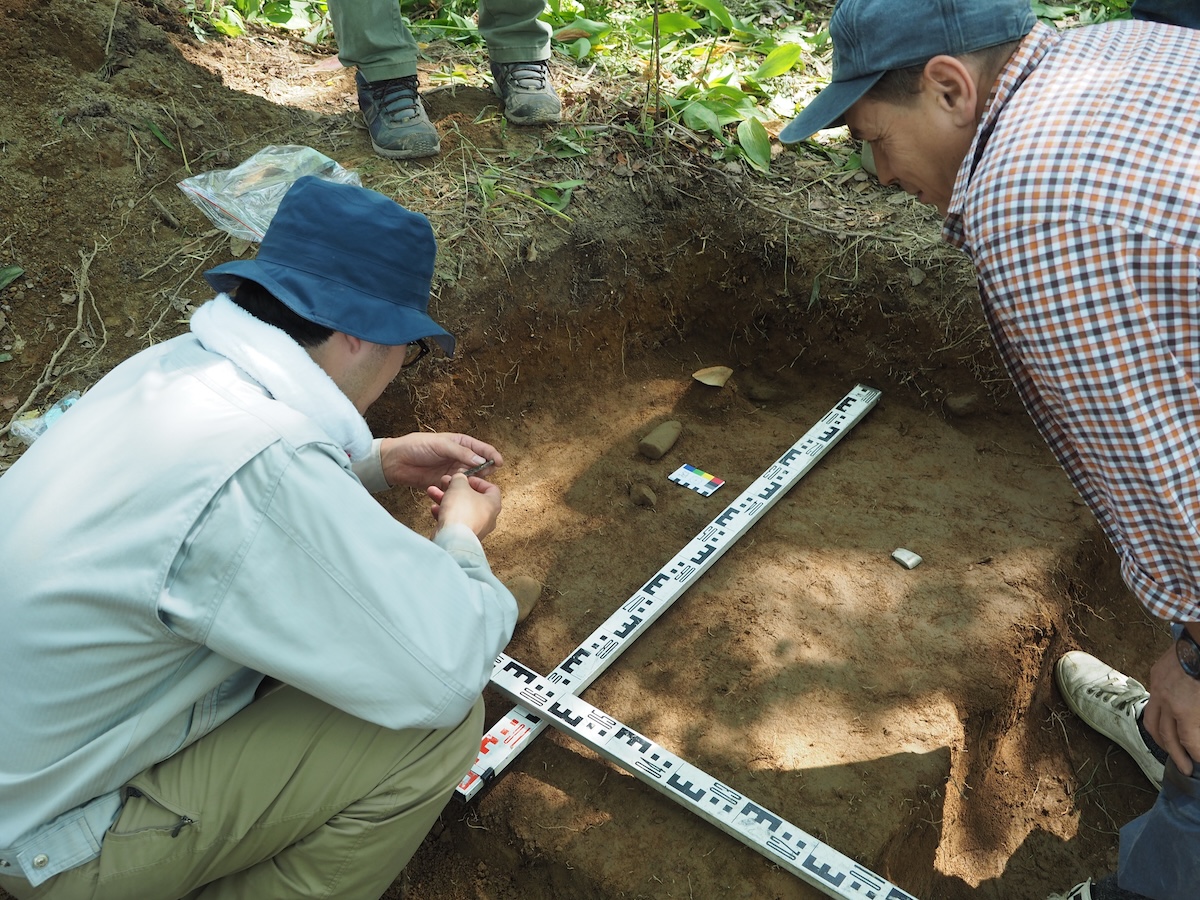
The real thrill of archaeology is undoubtedly the excavation work. It is unavoidable when studying archaeology. Fieldwork can be tough at times, but interacting with teammates and sweating it out together makes learning archaeology both enjoyable and hands-on. Knowledge gained from reading books is often forgotten, but experiences gained through physical activity are more easily remembered. The faculty members of the Laboratory of Archaeology each have their own field sites, so we can support you in gaining extensive experience.